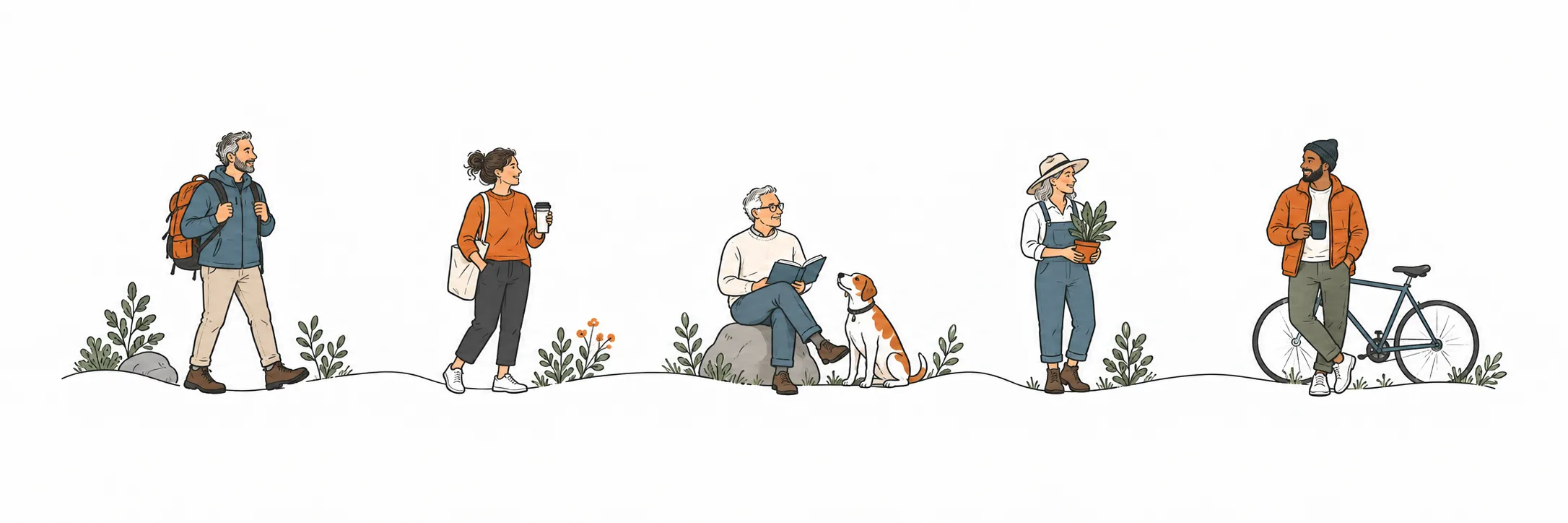

Fritz Gilbert’s retirement became more satisfying as its priorities changed. Writing gave way to a broader mix of community, outdoor life and family. By year six, regular time with a granddaughter sat alongside travel, fitness and a circle of friends whose old job titles barely mattered.
People
Explore life after financial independence and retirement: everyday routines, changing plans and honest reflections. Read longer timelines or single interview snapshots.

FI/RECracker once framed a good life around experiences, friendships and fewer possessions. Becoming a parent changed the demands on that freedom. Her first-year account describes real joy alongside exhausting care, even with a partner at home and investments paying the bills.
After returning to India, this early retiree kept online teaching on a self-chosen schedule. Three years later, a completed doctorate and hands-on parenthood had displaced many leisure plans, while the growing side business continued to generate income.
Sue retired at fifty-seven to spend more time with her husband, but initially struggled with lost purpose. Helping women stay active became meaningful work; later her days included family, volunteering, podcasting, and rebuilding local connections after a move.

u/ihasanemail left his office job at 38, volunteered in Thailand and spent years moving between countries and long visits home. The money grew, but novelty stopped doing all the work. By year six, constant travel felt like a chore. Family, exercise and a quieter place to live offered a more convincing next chapter.
A fast career and a growing fortune made leaving difficult. After retiring at 41, this father found that everyday family life and changing interests held his attention, while the pull to monetize the next project gradually weakened.

u/tbrookus found the expected pleasures—gym visits, hiking and games—alongside less predictable responsibilities. A family death and a mother’s move to assisted living demanded time and travel. Two years on, the strongest case for leaving work was the ability to handle what life actually sent, not just what retirement plans had promised.
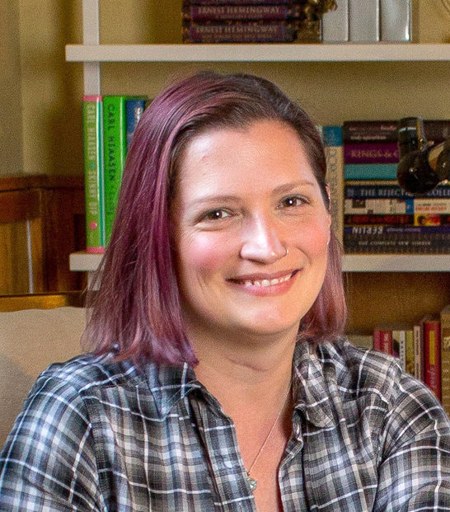
Tanja Hester left work at 38, then filled her freedom with books, events and obligations. Learning to slow down took longer than leaving her career. By 2024, she had stepped away from social media and the pressure to remain visible, making room for art, study and a life that no longer needed an audience.
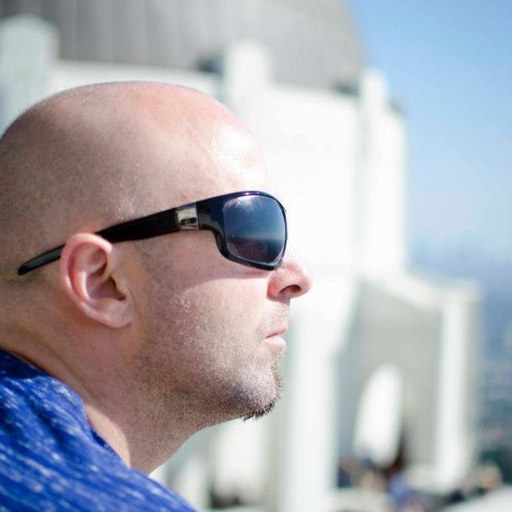
Jeremy Jacobson and Winnie built their early retirement around an open road. A decade later, school runs, children’s activities and suburban bills set the rhythm. Their chronicle follows a freedom big enough to change shape: first adventure, then parenting, with a slower release from work anxiety than the travel photos might suggest.
After a corporate role disappeared, old_eyes found he could choose his work. Consulting continued on a smaller, more selective basis. Years later, astronomy and his wife’s gardening supplied pleasure, while supporting their adult son remained central to household decisions.