
Cory Fawcett enjoyed the ability to travel and choose projects after leaving surgery. As grandchildren became central, home gained ground on the travel calendar. Writing, coaching and music remained, but the life was increasingly organized around being available to family.
People
Inside this selection · reported retirement ages
Under 352
35–444
45+9
Not established numerically30
All 45 matching people, across every page. Updates with your filters. How we count
One partner chooses ranch life; the other studies law
Snapshot · 2025Military retirement followed by a legal career · at interview
After military retirement, he maintained their rural property while she studied law, clerked and joined a private law firm. She needed intellectual challenge while he was content with physical activity; shared travel and family visits connected their different routines.
A little golf-course work after project management
Snapshot · 2025After leaving project management, he worked about ten hours weekly at a golf course while his wife changed jobs following their move. He described both partners as more relaxed, while losses among friends and family tempered the new stage.

Justin McCurry retired at 33 and found satisfaction in school-age parenting, books and days without a Monday looming. His wife joined him later; their children grew, and the trips grew longer. By 2025, money looked less restrictive than the calendar. The recurring question had become how to enjoy an increasingly busy retirement while preserving the unstructured time that made it worthwhile.
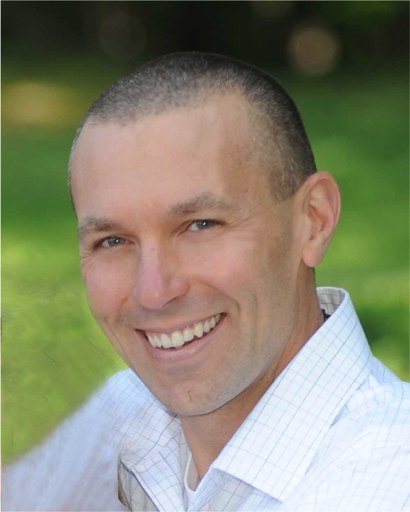
Chris Mamula’s exit and move to the mountains brought skiing, writing and unexpected strain. Years later, he described how different expectations and dependence on his wife’s happiness had complicated the marriage. More time together exposed questions that a shared savings goal had left unresolved.
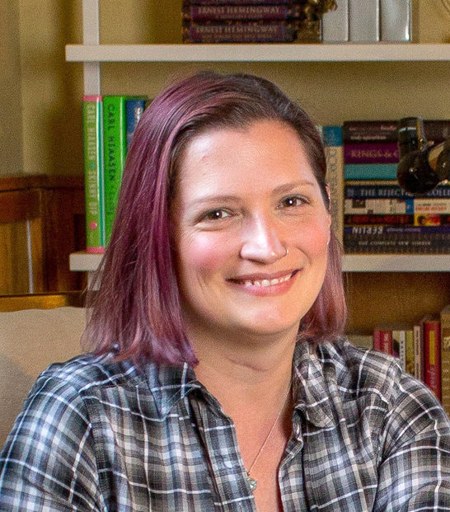
Tanja Hester left work at 38, then filled her freedom with books, events and obligations. Learning to slow down took longer than leaving her career. By 2024, she had stepped away from social media and the pressure to remain visible, making room for art, study and a life that no longer needed an audience.
His departure came earlier than planned and cost him pension vesting. Four years later, he enjoyed travel work and volunteering, with plans shaped partly by his wife’s continuing career.
After a long technology career, he found an easy transition through travel, classes and volunteering. His wife still enjoyed her own work, so he built a daytime life that respected her schedule.
Two partners retired two years apart. Once both were home, separate project spaces and better communication became as important as shared exercise and travel; their different approaches to time remained part of the relationship.
Leaving technology marketing brought the relief she had hoped for. A hobby business later joined exercise and time with her husband, whose own unexpected departure evolved into enjoyable part-time consulting.