After a career in data and a cryptocurrency windfall, u/FI/RE_and_forget_it could finally stop. Sleep and unstructured days came easily; spending without a salary did not. Eight years later, art, reading and helping others fill the time, while the end of deferred compensation exposes an old discomfort: actually drawing down the money saved for freedom.
People
Explore life after financial independence and retirement: everyday routines, changing plans and honest reflections. Read longer timelines or single interview snapshots.

u/breathedown initially celebrated the freedom bought by decades of work. Eighteen months in, the significance was clearer: slowing down revealed how depleted he had been. The new challenge was learning to choose a day’s activities without rebuilding the pressure that made leaving necessary.

u/anonymous_1983 had enough to leave but kept hesitating over unvested stock. A layoff made the decision concrete. The next eighteen months brought long trips, a renovated kitchen and a quarter teaching college students. The account shows an involuntary exit becoming a chosen life, with room to try useful work without rebuilding a full-time career.
A company sale helped Part-time Analyst leave employment unusually young. The exit began with exhaustion and a need for change. A year later, self-directed projects, cycling and short trips had restored energy while leaving room for occasional voluntary work.
A consulting partner used maternity leave to test a different life. Leaving removed the return-to-work deadline, but two small children soon reset her expectations about how much free time retirement would provide.
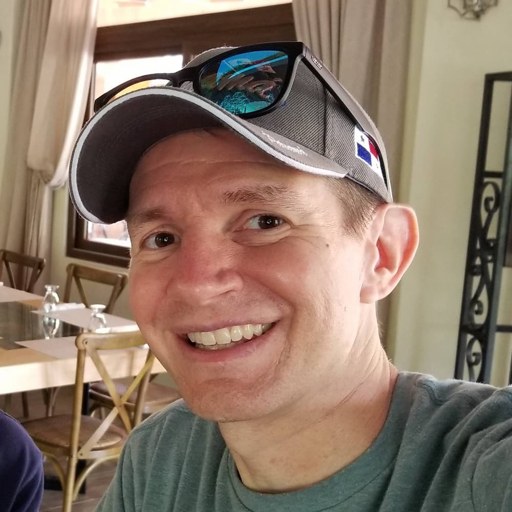
Jim’s retirement delivered Panama, an RV adventure and years with his family. It also exposed a stubborn habit of turning freedom into another to-do list. Six years in, he still prized the decision while searching for a stronger sense of purpose.
Leaving full-time IT security work created room for children, fitness and home projects. After decompressing, this retiree discovered that solving problems still mattered, and began choosing small engagements instead of resuming a permanent full-time role.
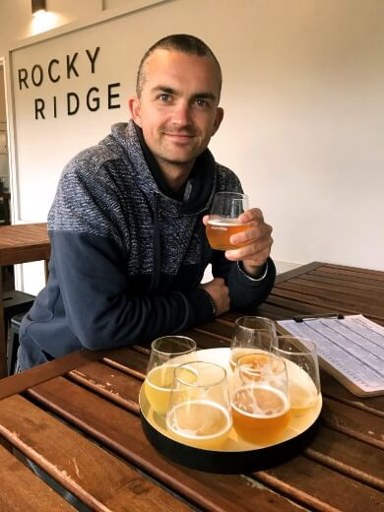
Dave Gow’s first year brought relief and a surprising lack of direction. Later, writing, turtle rescue and local planting projects supplied chosen commitments. He still had to watch the balance: useful activities can crowd a free life just as readily as paid work.
A layoff at 47 started a planned retirement trial sooner than expected. Initially, Yangoose pushed to stay productive. A year later he valued a longer recovery, family time and unstructured play, while acknowledging health habits that still needed attention.
After selling his business, HariSeldon explored smaller projects. Seventeen years later, travel and a simpler home mattered more than increasing wealth.