A surgeon stepped away from full-time clinical practice but kept a small consulting role. Professional habits took almost a year to unwind. Later, unhurried mornings, exercise and helping relatives filled his time, even as he still missed surgical relationships and satisfaction.
People
Explore life after financial independence and retirement: everyday routines, changing plans and honest reflections. Read longer timelines or single interview snapshots.
This couple left California careers for a nomadic life close to their European roots. An initial concern about empty days quickly faded. Family visits, mountains, museums and new subjects filled the space, while independent projects kept her husband engaged.
A cancer diagnosis helped a nonprofit founder reconsider a demanding role. Retirement brought exercise, cooking and selective mentoring, while friendships needed more planning because most friends still worked.
Deb’s education career ended through redundancy shortly after she turned 56. Within months she was surprised to enjoy retirement; five years later, cycling, book clubs, volunteering and grandchildren filled a life that still carried memories of an unwanted departure.
A single insurance professional retired in her mid-fifties and later kept an easy contracting role. A European trip supplied an early highlight. By 2021, downsizing, community activity and supporting her mother anchored life closer to home.
After leaving a high-paying career, Stop Ironing Shirts encountered an early market slump and the unfamiliar task of withdrawing savings. Over time, beach days, longer trips and chosen consulting made the new life rewarding, though occasional career envy still surfaced.
A controls engineer quit after years of increasing work pressure. The first summer offered family time and running, but no fixed next act. His account shows financial confidence coexisting with a difficult emotional shift from adding to savings to spending them.
A physician began traveling with his family while working occasional shifts. Long breaks initially left him awkward and anxious about purpose. By full retirement, teaching his teenagers and building local friendships had become a routine he preferred to returning to work.
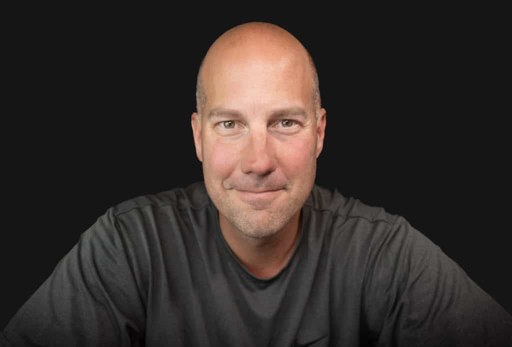
Steve Adcock’s retirement moved from an Airstream to a small desert home. Both versions depended on practical arrangements: room for separate interests, access to everyday necessities and limits on screen time. The later pleasure was less about movement than an ordinary day he could control.
A petroleum engineer initially considered returning to work after an involuntary departure. Flying, yoga and service filled the gap. A later move from California to Idaho brought more family time, outdoor activity and a different aircraft suited to his new surroundings.